
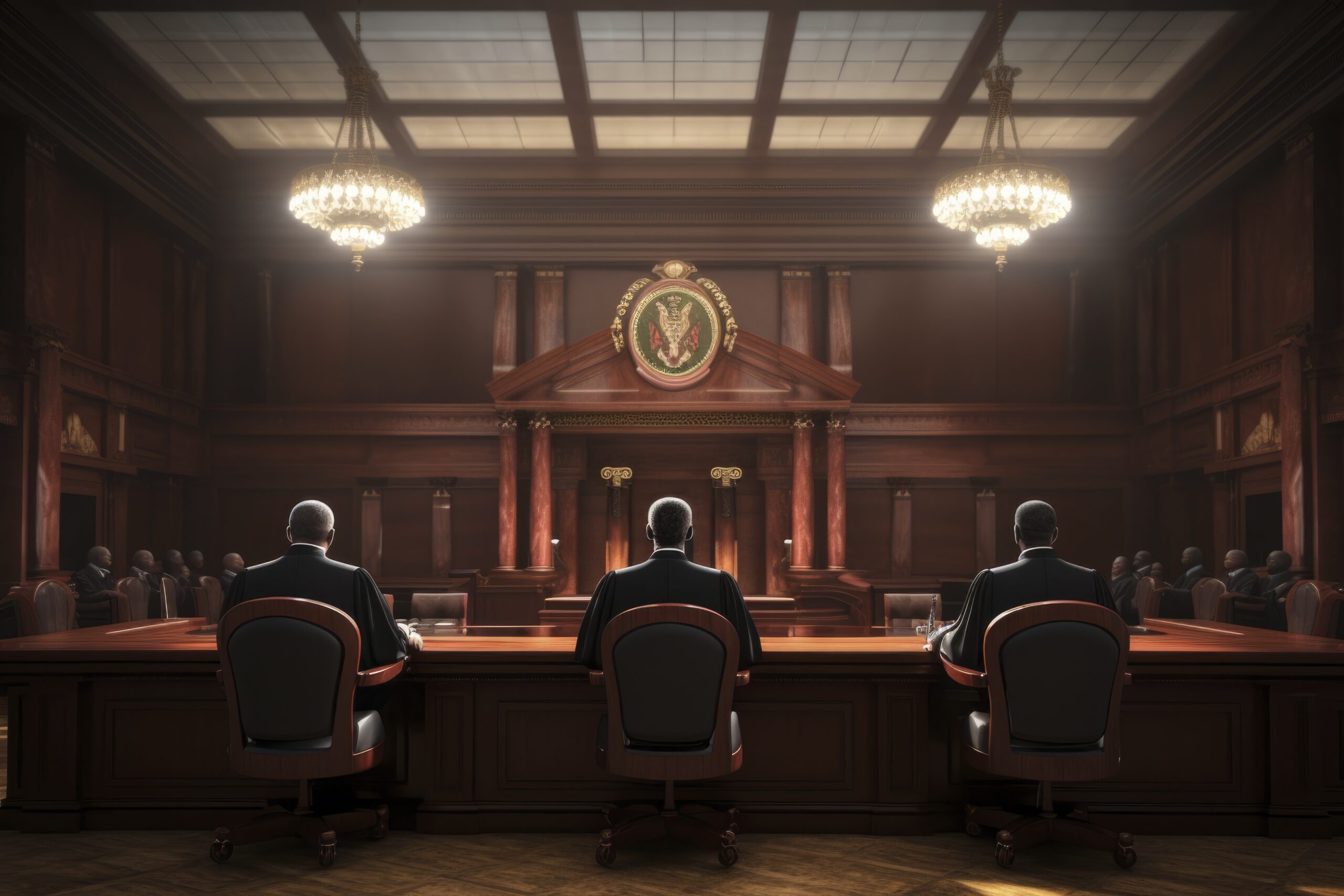
Civil disputes are often described as slower, less dramatic, and less urgent than criminal cases. That description is wrong on all three counts. A poorly handled civil suit can result in injunctions that freeze business operations, decrees that transfer property, or damage awards that alter financial futures. Civil litigation in Indore involves a multilayered court system, strict procedural rules under the Code of Civil Procedure, 1908, and timelines that reward early and careful legal strategy.
This piece is written for individuals and businesses in Indore who are either already in a civil dispute or anticipating one, and who want to understand the legal landscape before engaging an experienced civil lawyer in Indore.
The Civil Court Hierarchy in Indore
Civil matters in Indore are distributed across courts based on the subject matter and the financial value of the dispute.
The Civil Judge Class I and Class II courts handle suits up to specified pecuniary limits. The District Court handles higher-value civil suits and certain appeals. The MP High Court, Indore Bench, handles first appeals from District Court decrees, writ petitions involving civil rights, and second appeals on questions of law. Understanding which court your matter belongs in is step one, and it determines costs, timelines, and the applicable procedure.
What Types of Civil Matters Are Most Common in Indore?
Based on the nature of practice in Indore courts, civil lawyers regularly handle:
- Recovery suits for unpaid dues, loans, or contractual obligations
- Permanent and mandatory injunctions restraining interference with property or business
- Specific performance suits where a contract has been partly performed but not completed
- Partition suits for the division of jointly held property among family members
- Suits for declaration of title or ownership
- Execution proceedings where a decree has been passed, but the losing party has not complied
- Appeals from District Court civil decrees before the MP High Court
Each of these involves distinct pleading requirements, documentary evidence, and procedural stages from the filing to final arguments.
What Makes Civil Litigation in MP Courts Distinct?
Civil procedure in Madhya Pradesh follows the Code of Civil Procedure, 1908, but MP-specific rules and High Court practice directions add a layer of local procedural knowledge that matters in practice.
For instance:
- Temporary injunction applications under Order 39 CPC require demonstrating a prima facie case, a balance of convenience, and irreparable harm. Judges in Indore courts have developed specific expectations around how these are argued.
- Commercial disputes above the specified value threshold may be tried as commercial suits with faster timelines under the Commercial Courts Act.
- Execution of decrees, particularly where the judgment debtor has assets in multiple districts, involves coordination between courts that requires knowledge of local registry practice.
A lawyer who appears regularly in Indore civil courts will know the procedural expectations of specific benches. This is practical knowledge that a general legal consultation cannot replicate. You can review the full scope of civil and commercial practice areas handled by the firm.
Civil Disputes Involving Businesses: What to Watch For
For companies operating in Indore, civil litigation risk typically arises in:
- Vendor and supplier payment defaults
- Lease and licensing disputes over commercial premises
- Partnership dissolution and accounting disputes
- Employment-related civil suits
- Enforcement of arbitral awards in civil courts
Indore is an established commercial hub with a significant MSME sector, financial institutions, and real estate developers operating actively in the jurisdiction. Civil disputes in this environment often have tight timelines, and interim relief in the form of injunctions or attachment orders can be business-critical.
The Role of the MP High Court in Civil Matters
First appeals from District Court decrees lie to the MP High Court under Section 96 CPC. These are full appeals on both facts and law. Second appeals under Section 100 CPC lie on substantial questions of law only.
The High Court also has original jurisdiction in certain matters and can hear writ petitions where civil rights against state authorities are in dispute. Knowing when to invoke which jurisdiction requires strategic judgment, and it is a decision that should be made with a lawyer who appears regularly at the Indore Bench.
The firm’s work and the legal principles involved in key matters can be reviewed on the judgements and legal updates section of the website.
What to Prepare Before Consulting a Civil Lawyer
Bring the following to your first meeting:
- All contracts, agreements, or deeds relevant to the dispute
- Correspondence with the opposite party (written or electronic)
- Any earlier legal notices sent or received
- Property documents if land or premises are involved
- Bank statements or financial records, if the dispute involves money
- Any earlier court orders, if proceedings have already started
The more organised your documents, the more accurate the legal assessment will be.
Frequently Asked Questions
Q1: What is the difference between a permanent injunction and a temporary injunction?
A temporary injunction is an interim relief granted at the beginning of a suit to preserve the status quo until the matter is decided. A permanent injunction is granted as part of the final decree after the suit is decided on the merits. The standards of proof differ significantly between the two.
Q2: What happens if the other side does not follow a court decree?
You can file an execution petition before the court that passed the decree. If the judgment debtor has not paid, the court can attach and sell property or, in appropriate cases, order imprisonment for civil contempt. Execution proceedings are a distinct phase of civil litigation that often requires active follow-up.
Q3: Can a civil suit be filed even if a criminal complaint has also been filed?
Yes. Civil and criminal proceedings arising from the same facts can run simultaneously. They are heard in different courts and have different standards of proof. Filing a criminal complaint does not prevent you from also seeking civil remedies such as recovery of money or injunctive relief.
Q4: What is a suit for specific performance?
It is a civil suit asking the court to direct a party to perform a contract, rather than just awarding damages. It is most common in property transactions where a sale agreement has been signed, but the seller is refusing to complete the transfer. Courts have discretion in granting specific performance.
Q5: How long does a civil suit typically take in Indore courts?
Civil suits vary widely in duration. Straightforward recovery suits with clear documentary evidence may be resolved more quickly. Contested property or family disputes can take several years. The introduction of commercial courts has reduced timelines for qualifying commercial disputes. Your lawyer can estimate based on the specific court and type of claim.




Leave a Comment